
The Rhode Island Appraisal Provision, Explained
What the appraisal paragraph in a Rhode Island property policy says, what it can decide and the steps that matter most.
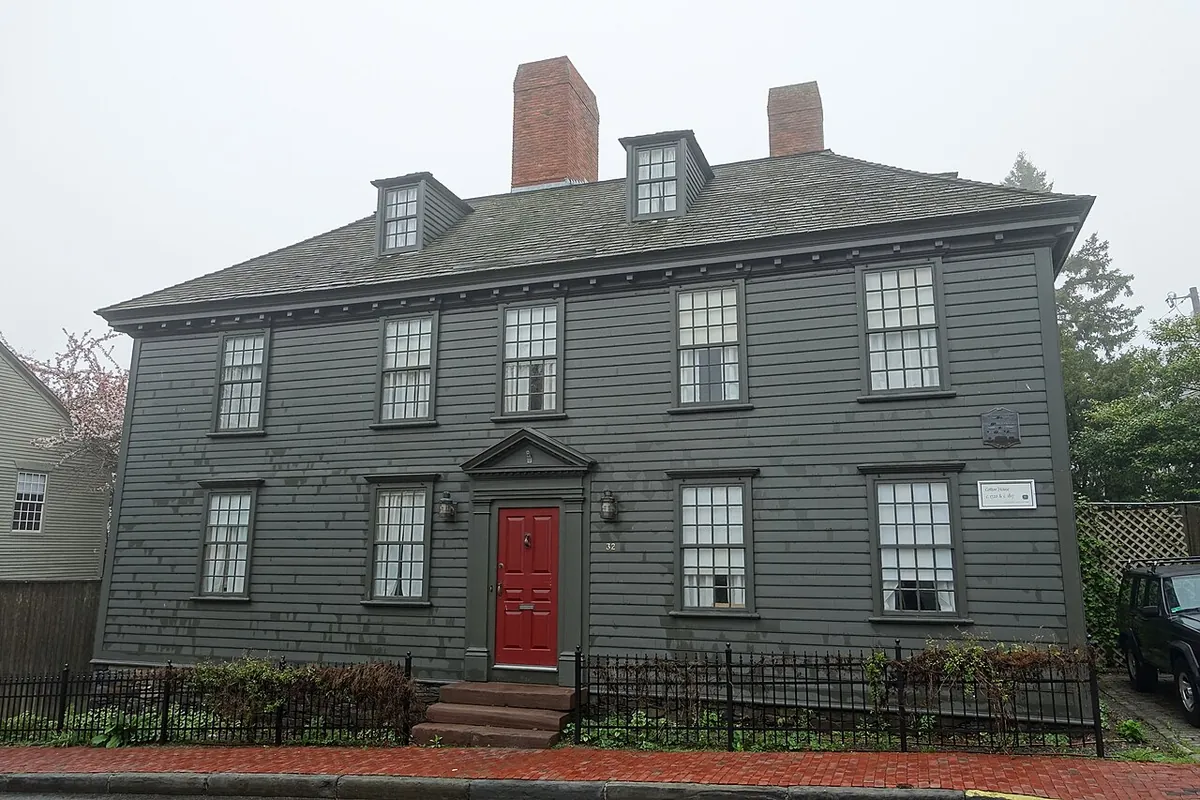
Independent property claim appraisal · Statewide
The carrier accepted your claim, but the check won’t pay for the repair. A Rhode Island Insurance Appraiser builds an independent, line-by-line valuation and carries it through the appraisal process written into your policy.
The short version
Most underpaid claims in Rhode Island aren’t denied. They’re short: a slope left off the roof, plaster priced as drywall, a hurricane deductible applied to an incomplete scope. A Rhode Island Insurance Appraiser works in the space between the carrier’s number and the real cost of the repair.
We inspect, measure and price the loss from scratch, then put that valuation in front of the carrier’s appraiser line by line. When we can’t agree, a neutral umpire decides the difference.
How we workIllustrative example · not a client result
What we value
Start with an estimate review, or bring us in after appraisal has been demanded. Every service is about one thing: a valuation of your loss that holds up.
 01
We serve as your named appraiser once the appraisal provision is invoked, from the written demand to the signed award.
 02
Independent line-item valuations for houses, condos and multi-family homes when the carrier’s estimate falls short.
 03
Appraisal and valuation for mixed-use buildings, mills, retail, offices and condominium associations.
 04
Measured roof scopes for hail, wind and ice damage, including slate, cedar and low-slope roofs.
 05
Valuations for nor’easter wind, downbursts and rare tornado damage to roofs, siding, windows and trees on structures.
 06
Appraisal for hurricane and tropical storm damage, including hurricane-deductible math and wind versus flood questions.
 07
Scopes for burst pipes, appliance leaks, wind-driven rain and covered backups, including drying and hidden damage.
 08
Rhode Island’s winter peril: ice dams, roof snow load and burst pipes after nor’easters and deep cold snaps.
 09
Fire, smoke and soot valuations, from kitchen fires to total losses, including cleaning versus replacement disputes.
 10
A line-by-line review of the carrier’s estimate, with a written summary of what’s missing, mispriced or mis-measured.
 11
Neutral umpire services for appraisal panels, with clear process, disclosure and written decisions.
Ocean State claim calendar
Rhode Island’s weather runs on a calendar. Knowing when and how damage happens helps us scope it, and helps you document it.
Heavy snow, roof loads and meltwater backing up under shingles.
Saturated ground, river flooding and late-season coastal storms.
Downbursts, lightning and occasional hail crossing from the west.
Tropical systems funneling wind and surge up Narragansett Bay.
Long-duration wind, falling trees and wind-driven rain.
Six regions, one small state
A Westerly beach house, a Pawtucket three-decker and a Glocester farmhouse can all be damaged by the same storm in very different ways.

Providence · Pawtucket · Woonsocket
The state’s densest housing: three-deckers, Victorian homes and converted mills. Winter water losses and fires that spread between buildings are common, and older materials push repair costs up.
Towns: Providence, Pawtucket, Central Falls, Woonsocket, Cumberland, Lincoln, North Providence

Warwick · Cranston · Coventry
Postwar neighborhoods, bay shoreline and the Pawtuxet River. The March 2010 floods still shape how owners here think about water, and wooded streets mean trees on houses after big storms.
Towns: Warwick, Cranston, West Warwick, Coventry, East Greenwich, West Greenwich
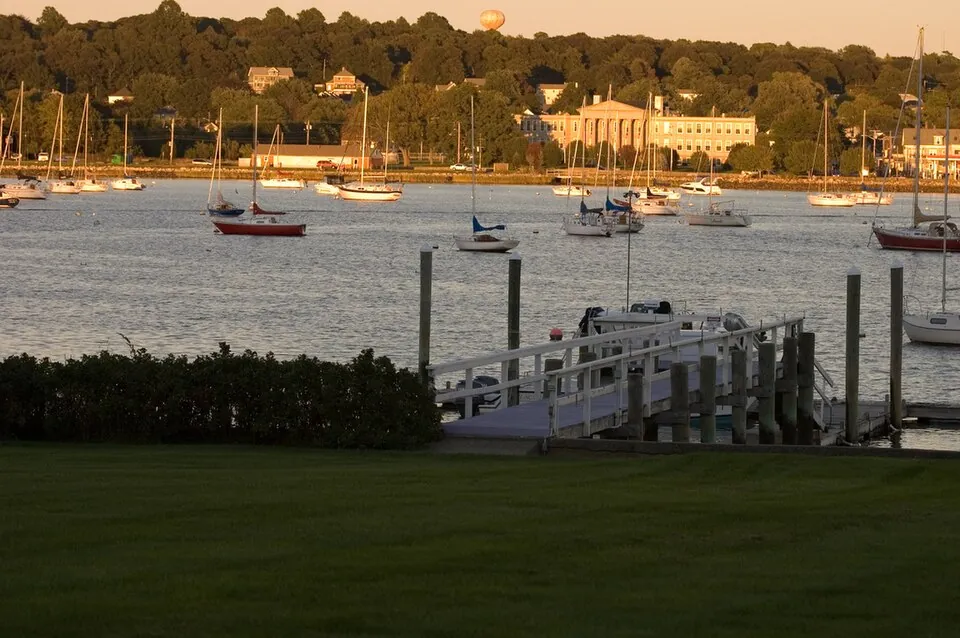
East Providence · Barrington · Bristol
Low-lying peninsulas and long bay frontage. Hurricanes in 1938 and 1954 flooded these towns, and historic downtowns in Bristol and Warren add material-matching questions.
Towns: East Providence, Barrington, Warren, Bristol
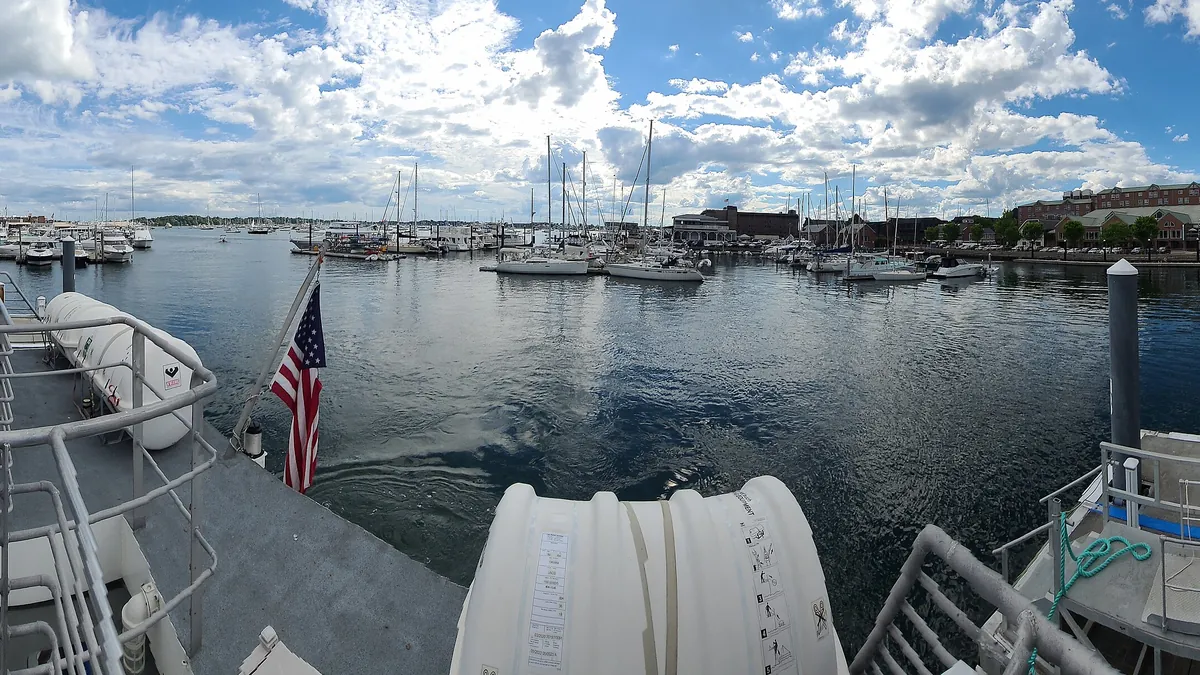
Newport · Middletown · Portsmouth
Aquidneck Island and the eastern shore face the Atlantic. Colonial and Gilded Age buildings, estate homes and shoreline exposure make claims here detailed and expensive.
Towns: Newport, Middletown, Portsmouth, Jamestown, Tiverton, Little Compton
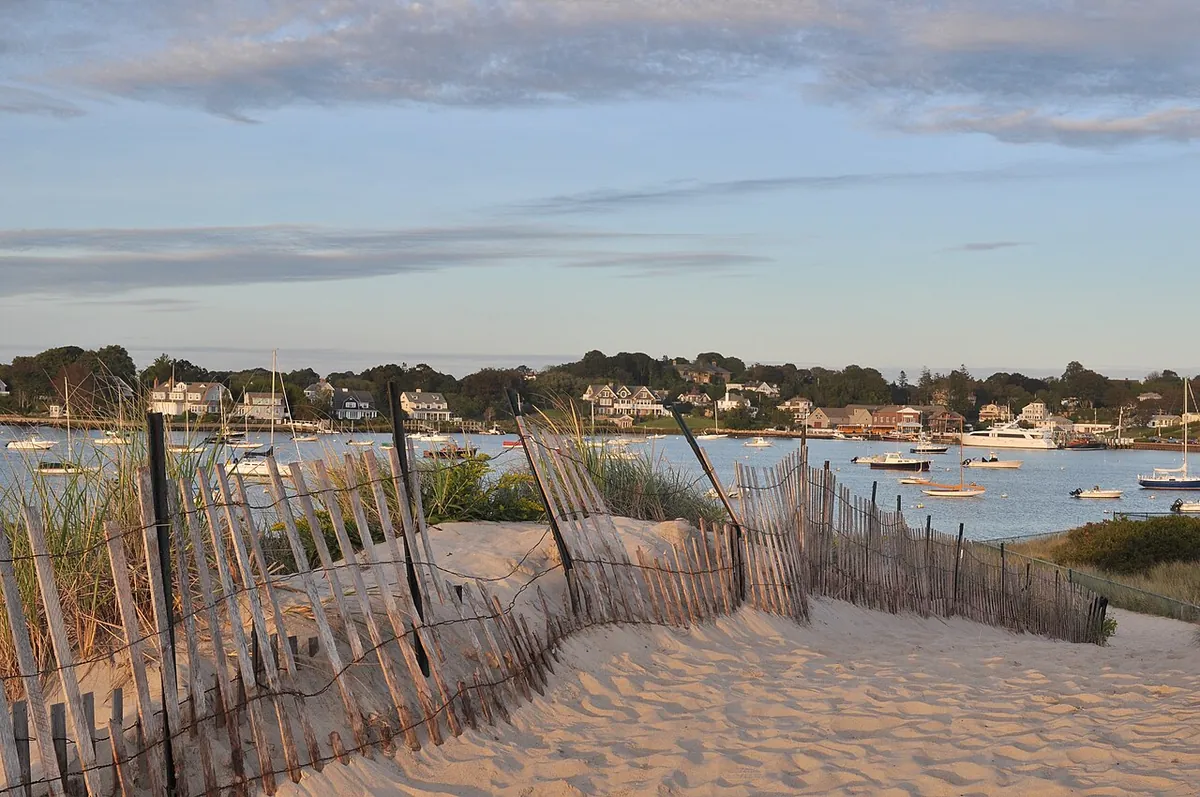
Westerly · Narragansett · North Kingstown
Barrier beaches, salt ponds and summer communities. The 1938 hurricane, Sandy in 2012 and Henri in 2021 all struck this coast. Hurricane deductibles and wind-versus-flood questions come up on almost every claim.
Towns: Westerly, Charlestown, South Kingstown, Narragansett, North Kingstown, New Shoreham (Block Island)

Glocester · Scituate · Burrillville
Higher ground, deep woods and the Scituate Reservoir. More snow than the coast, long outages after storms, and rural properties with barns, wells and long driveways.
Towns: Burrillville, Glocester, Foster, Scituate, Smithfield, North Smithfield
How it works
The appraisal provision turns an open-ended argument into a defined process with a binding result on the amount of loss. Here is how a Rhode Island Insurance Appraiser takes a file through it.
Read the full appraisal sequenceEither side demands appraisal in writing, following the policy’s appraisal paragraph.
You and the insurer each choose a competent, disinterested appraiser, usually within a set number of days.
If they can’t agree on one, many policies let either side ask a court to appoint one.
They inspect, exchange estimates and work through the differences line by line.
Items the appraisers can’t agree on go to the umpire, who reviews both positions.
Quick gap check
Enter the two numbers you already have. If the gap is large, it’s worth a call with a Rhode Island Insurance Appraiser. If it’s small, a documented supplement request may close it faster.
The full settlement gap estimator subtracts appraiser and umpire fees so you can see a realistic net.
Storm record
Adjusters, contractors and homeowners here still measure claims against these events.
Storm surge flooded downtown Providence and swept away homes along the South County beaches.
Flooded Providence again and led to the Fox Point Hurricane Barrier.
Still the benchmark for snowfall and roof loads across the state.
Battered the coast from Westerly to Little Compton.
The Pawtuxet River reached record levels in Cranston and Warwick.
Damaged dunes, seawalls and homes in Misquamicut and Narragansett.
Made landfall near Westerly, bringing wind and downed trees inland.
Free & private
Check the carrier’s math before you pick up the phone. Every tool runs in your browser, and nothing you type is stored or sent.
EstimatorSee the disputed amount, a projected award and what appraisal fees would leave you.
Open the toolCalculatorItemize depreciation and see the first payment, the holdback and the total once repairs are done.
Open the tool Calculator
Turn a footprint and pitch into roof squares, waste, bundles and a rough replacement cost.
Open the tool Calculator
Convert a percentage hurricane deductible into dollars and compare it with your standard deductible.
Open the tool Planner
Build a dated list of claim milestones from your date of loss and download it as a calendar file.
Open the toolChecklistTwelve yes-or-no questions that score how prepared your file is for an appraisal panel.
Open the tool Organizer
Sort a coastal storm loss into wind and flood portions, apply each deductible and see what each policy might pay.
Open the toolCommunities
We inspect in every Rhode Island community. These pages cover the places we’re called most often.
 ProvidenceProvidence CountyWarwickKent County
 CranstonProvidence County
 PawtucketProvidence County
 East ProvidenceProvidence County
 WoonsocketProvidence CountyNewportNewport CountyWesterlyWashington County
 NarragansettWashington CountyBristolBristol County
 North KingstownWashington County
 CoventryKent County
Three-question test
Answer these honestly. If all three are “yes,” appraisal is worth a conversation. If not, we’ll point you to the right kind of help.
Appraisal values a covered loss. If the claim was denied outright, a Rhode Island attorney is usually the first call.
The carrier’s full line-item estimate and a credible one of your own. A one-line bid isn’t enough for a panel.
Generally more than about 10% of the carrier’s estimate or several thousand dollars. Smaller gaps often close with a supplement.
Questions
Short, plain answers about the process, costs and when appraisal is the wrong move.
A Rhode Island Insurance Appraiser values property damage when you and your insurer agree a loss is covered but disagree on the cost. As your appointed appraiser we inspect, build an independent line-item estimate, work through it with the carrier’s appraiser and, if needed, present unresolved items to the umpire.
A public adjuster represents you in preparing and negotiating the whole claim. An appraiser works inside the policy’s appraisal process on one question: the amount of loss. We don’t negotiate outside appraisal and we don’t give legal advice.
When coverage is accepted, you have the carrier’s itemized estimate and a credible estimate of your own, and the difference is meaningful: generally more than about 10% or several thousand dollars.
On the amount of loss, generally yes, once any two of the three panel members sign. That’s why the file should be well documented before appraisal starts.
Each side pays its own appraiser and usually half of the umpire. We put our fee in writing before any work begins, and the first conversation is free.
Yes. We work in all 39 cities and towns across Rhode Island’s five counties, and on Block Island by arrangement.
Claim notebook
Guides on Rhode Island policy wording, hurricane deductibles and documentation from the Rhode Island Insurance Appraiser team.
What the appraisal paragraph in a Rhode Island property policy says, what it can decide and the steps that matter most.
Why a 2% deductible can mean $10,000 or more, what usually triggers it and why the full wind scope matters even more.
A winter checklist for photos, receipts and notes that make an ice-dam or nor’easter claim easier to value.
Start with a conversation
Tell us what happened and what the carrier offered. We’ll review it and give you a straight answer on whether appraisal is worth pursuing, with no pressure and no obligation.
